March 11 in Šiauliai – “Lawyer, Museologist Peliksas Bugailiškis and the Idea of a Free Lithuania”
Organizers – Šiauliai Cultural Center and the Šiauliai “Aušra” Museum. The commemoration is by invitation only.
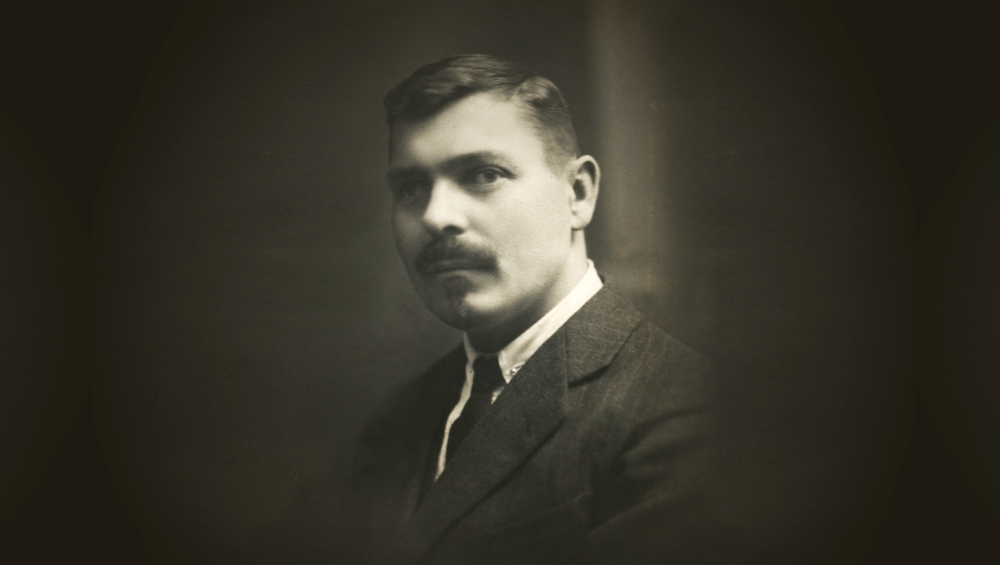
Peliksas Bugailiškis (1883–1965) – a lawyer, press worker, public figure, regional historian, and promoter of museology – was one of the most prominent Lithuanian personalities of the first half of the 20th century. After graduating from the University of St. Petersburg in 1909, he chose the path of a lawyer but remained a cultural figure at heart. While still a student, he became involved in the publication of Lithuanian press, edited the first legal Lithuanian newspaper “Lietuvių laikraštis,” later collaborated with “Lietuvos žinios,” “Darbo balsas,” and other publications, and actively participated in the national movement and the process of building the state. In 1917, he represented the Šiauliai district at the Lithuanian Conference in Vilnius and was elected to its presidium. In 1918, he was appointed the first justice of the peace of independent Lithuania in Šiauliai and later served as chairman of the district courts of Šiauliai and Vilnius. His legal work was marked by principled integrity, civic responsibility, and respect for the individual – it was not only a profession but also service to the state.
Nevertheless, the most significant mark left by P. Bugailiškis was in the fields of culture and regional studies. On March 11, 1923, on his initiative, the Šiauliai “Aušra” Museum was established and became one of the most important regional research centers in Lithuania. The museum’s founding act emphasized that documents and cultural values important to the nation would be collected there – a clear statement that national identity is grounded in memory. P. Bugailiškis organized regional research expeditions, brought together teachers and young people, and compiled an ethnographic archive that is today considered one of the most significant cultural heritage collections. He was not only a practicing museologist but also one of the first in Lithuania to systematically address theoretical questions of museology and the protection of cultural monuments. His words, “Regional research and museology turned from a hobby into my calling,” reveal that this was not an accidental activity but a conscious choice to work for the benefit of the nation’s culture. In 1941, while serving as director of the Ethnology Institute of the Academy of Sciences of the Lithuanian SSR, he took care of the directions of museum and ethnographic research and organized the protection of exhibits during the complex circumstances of historical upheavals.
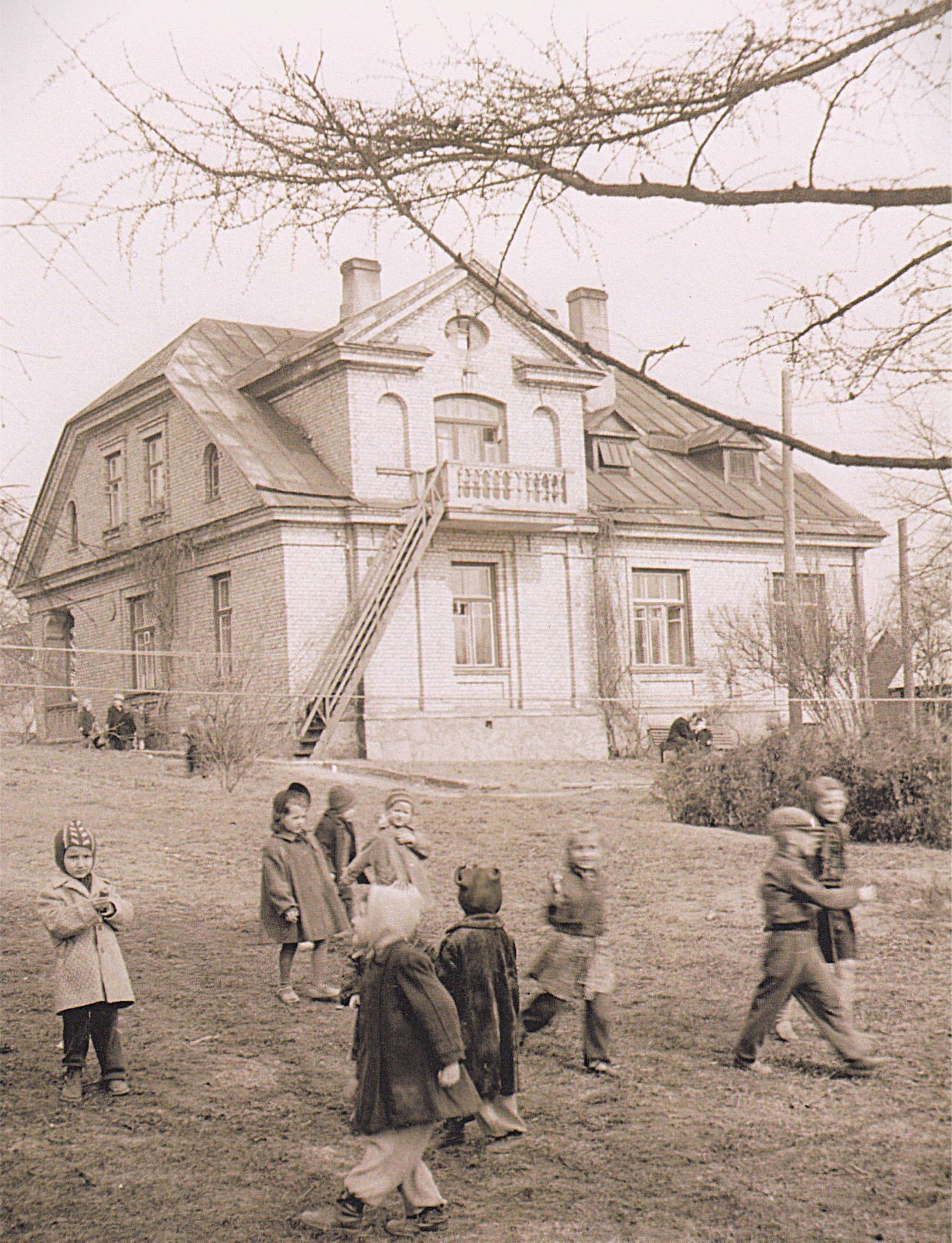
His multifaceted work – in law, culture, museology, regional studies, and ethnology – testifies to a broad personality thinking on a national scale. Therefore, in recognition of Peliksas Bugailiškis’ contribution and the direction of his activities, the name of a new structural unit was created at the Šiauliai Cultural Center – the P. Bugailiškis Ethnology Center. The aim is to purposefully activate the use of his residential house: to commemorate the premises with memory markers, to highlight the legacy of this historical personality, to foster ethnic culture, and to create conditions for research and creative residencies. It would become not only a place marked by the memory of a personality but also a living center of culture – a space for researchers, artists, and the community, strengthening interinstitutional partnership and opening Šiauliai to national and international initiatives, continuing the cultural mission started by P. Bugailiškis.
After March 11, the house of P. Bugailiškis will be opened to visitors. Although the spaces still await full activation, visitors will already be able to see stands on the first floor presenting his life and work and to feel the authentic environment where cultural initiatives and the ideas of a free Lithuania once matured.
During the commemoration, the Peliksas Bugailiškis Prize will also be presented. Established in 1998 in accordance with his will that part of his legacy should be dedicated to public purposes, the prize is awarded annually for significant work in museology, regional studies, culture, and science, as well as for activities commemorating the memory of P. Bugailiškis. Its presentation on March 11 symbolically connects the Day of the Restoration of the State with March 11, 1923 – the founding date of the Šiauliai “Aušra” Museum.
The commemoration will culminate in the festive concert “When Freedom Speaks,” featuring the Lithuanian Chamber Orchestra conducted by Modestas Barkauskas, with Jomantė Šležaitė-Paukštė as the concert host. The musical program will become a sensitive artistic reflection on freedom as a value preserved and passed on from generation to generation.
The director of the Šiauliai Cultural Center, Deimantė Bačiulė, emphasizes that this commemoration is not only about historical memory but also about the direction toward the future: “Peliksas Bugailiškis reminds us that freedom is not given by itself. It is created through responsibility, education, culture, and daily work. His life shows that a strong state begins with a strong community and living memory. With this event we seek not only to honor an outstanding personality but also to continue the cultural mission he began.”
Admission – by invitation only. The number of seats is limited. Invitations are distributed from March 3 at 11:00 AM at the ticket office of the Šiauliai Cultural Center gallery “Laiptai.”
Photographs from the collections of the Šiauliai “Aušra” Museum.
Information provided by Deimantė Bačiulė, Director of the Šiauliai Cultural Center, tel. +370 671 42 889, e-mail deimante.baciule@siauliukc.lt.


Atnaujinta: 2026-03-13 11:11