Peliksas Bugailiškis (1883–1965) was one of the most prominent figures of cultural and public life in Šiauliai and Lithuania during the first half of the 20th century. Having obtained a legal education at the University of St. Petersburg, he actively participated in the creation of the state and public life, worked in the field of law, collaborated with the press, and contributed to strengthening Lithuanian culture and national identity. Nevertheless, Bugailiškis left his most significant mark in the fields of regional studies and museology – on his initiative, the Šiauliai “Aušra” Museum was founded on March 11, 1923, and became one of the most important centers for regional history and cultural research in Lithuania. His work and ideas continue to remind us that living historical memory and care for cultural heritage are inseparable parts of a mature society.
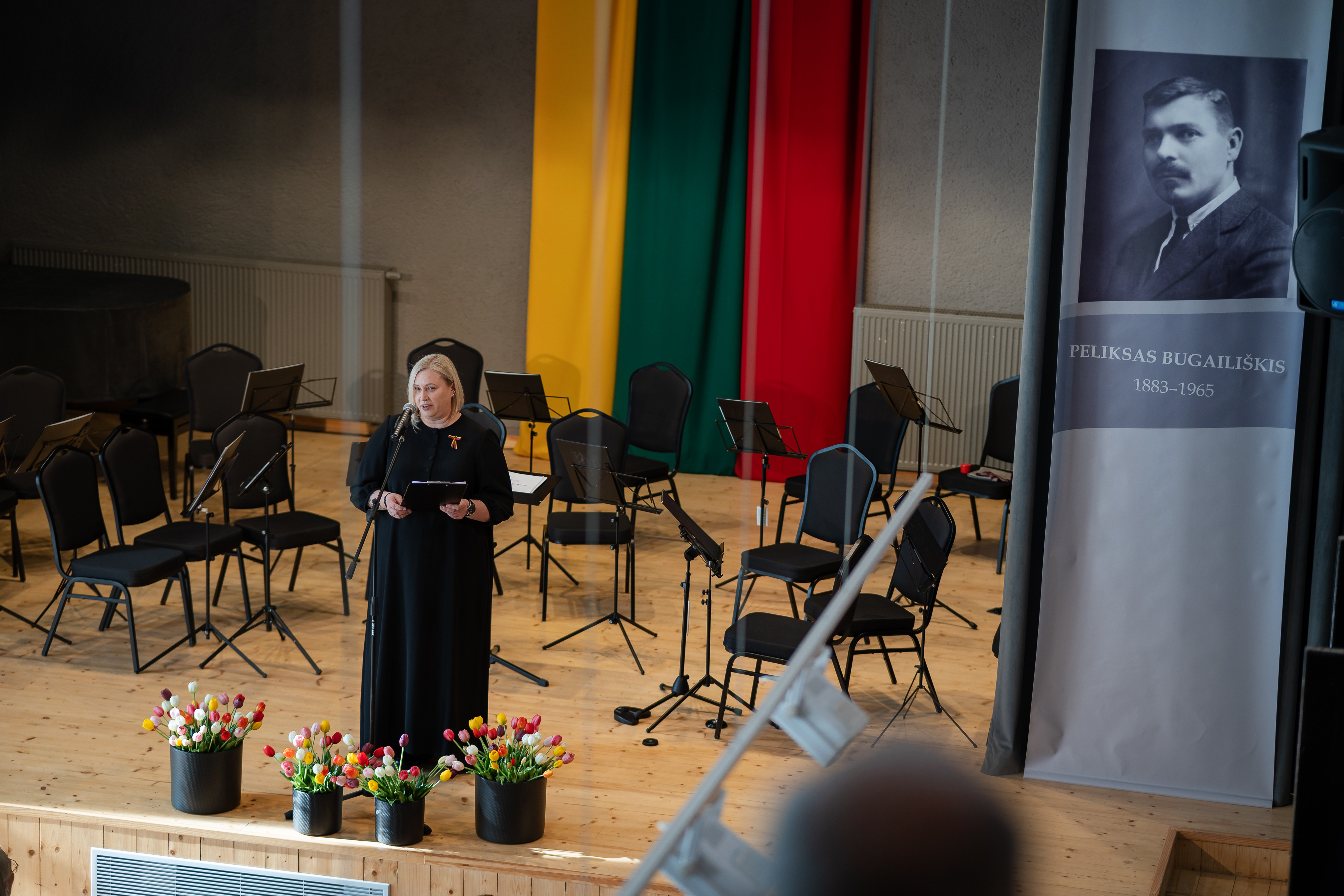
At the beginning of the event, the audience was welcomed by the Director of the Šiauliai Cultural Center, Deimantė Bačiulė. She emphasized that the ideas promoted by P. Bugailiškis – care for cultural heritage, historical memory, and the strengthening of community – remain important today. “Today we gather not only to commemorate the freedom of the state but also to remember a person whose life and work were dedicated to Lithuania, its culture, history, and society. This is a personality whose activities left a deep mark in Šiauliai and continue to inspire us to protect and nurture the cultural memory of our region – Peliksas Bugailiškis. Therefore, today we invite you to look at this personality anew: to remember his work, give meaning to his legacy, and continue the cultural mission he began,” said Deimantė Bačiulė.
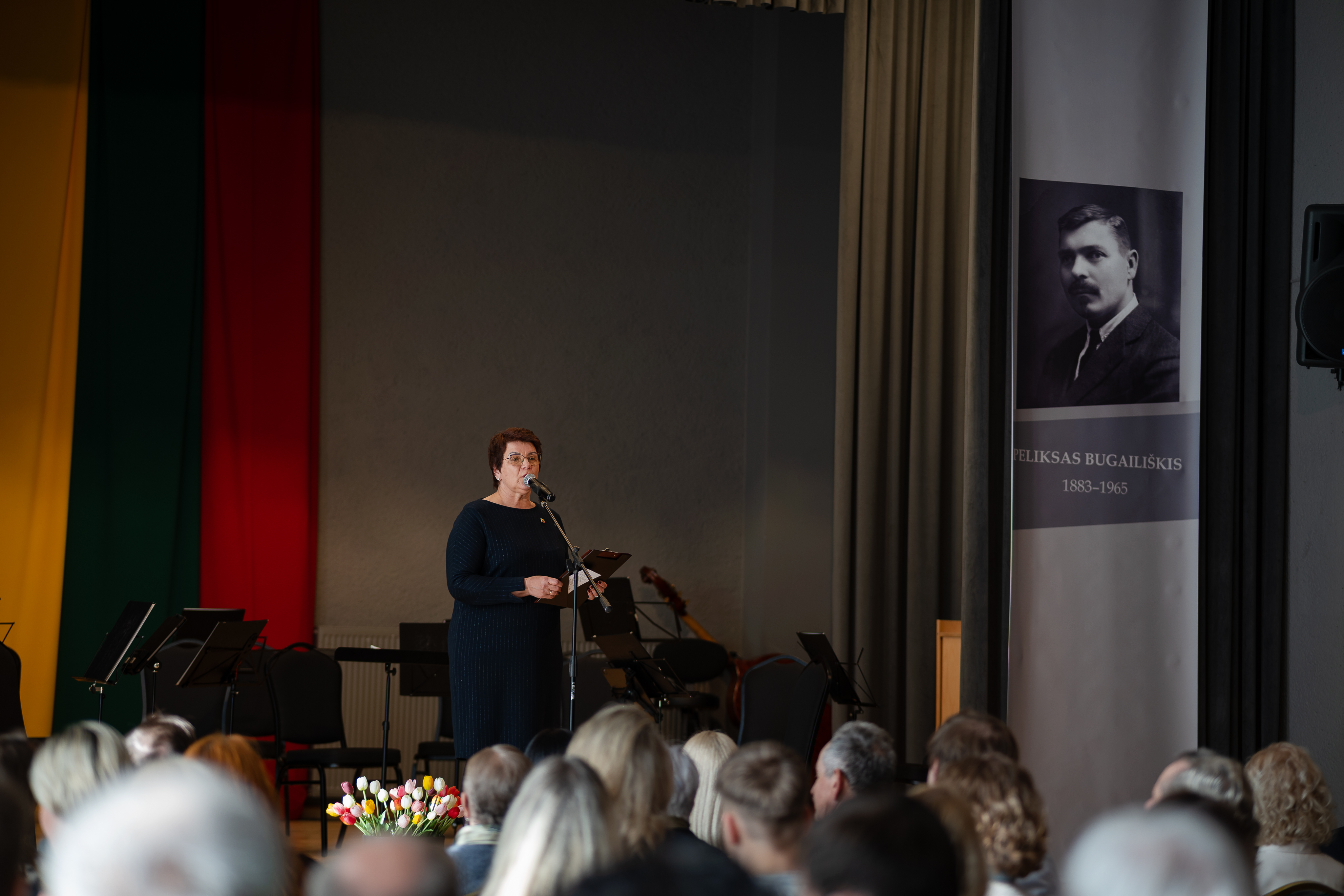
The life, activities, and contribution of P. Bugailiškis to Lithuanian museology were presented by Virginija Šiukščienė, Deputy Director for Museology of the Šiauliai “Aušra” Museum. She reminded the audience that the Šiauliai “Aušra” Museum, founded on Bugailiškis’ initiative in 1923, became one of the most important centers of regional research in Lithuania, and that the regional research activities he initiated laid strong foundations for today’s museology. “It is wonderful to greet you on March 11 and on the 103rd anniversary of the founding of the Šiauliai ‘Aušra’ Museum. For us, this truly is a double celebration, and it is very symbolic that these two dates are connected by one person – Peliksas Bugailiškis. When we speak about the restored Lithuania, we also speak about a personality who did not restore but created Lithuania. Peliksas Bugailiškis contributed to the creation and flourishing of Lithuania. He was such a multifaceted personality that sometimes it is difficult to believe that all these works belong to one person,” shared Virginija Šiukščienė.
The audience was also introduced to the vision of the P. Bugailiškis Ethnology Center of the Šiauliai Cultural Center. Presenting the vision, Deimantė Bačiulė emphasized that the center aims to commemorate the memory of P. Bugailiškis in three directions. The first is the Peliksas Bugailiškis memorial space, the second – ethnic culture, and the third direction – creative residencies. “We hope that this place will become a living cultural hub where history and the present, tradition and creativity meet, and where the cultural mission begun by Peliksas Bugailiškis will continue in new forms,” said Deimantė Bačiulė.
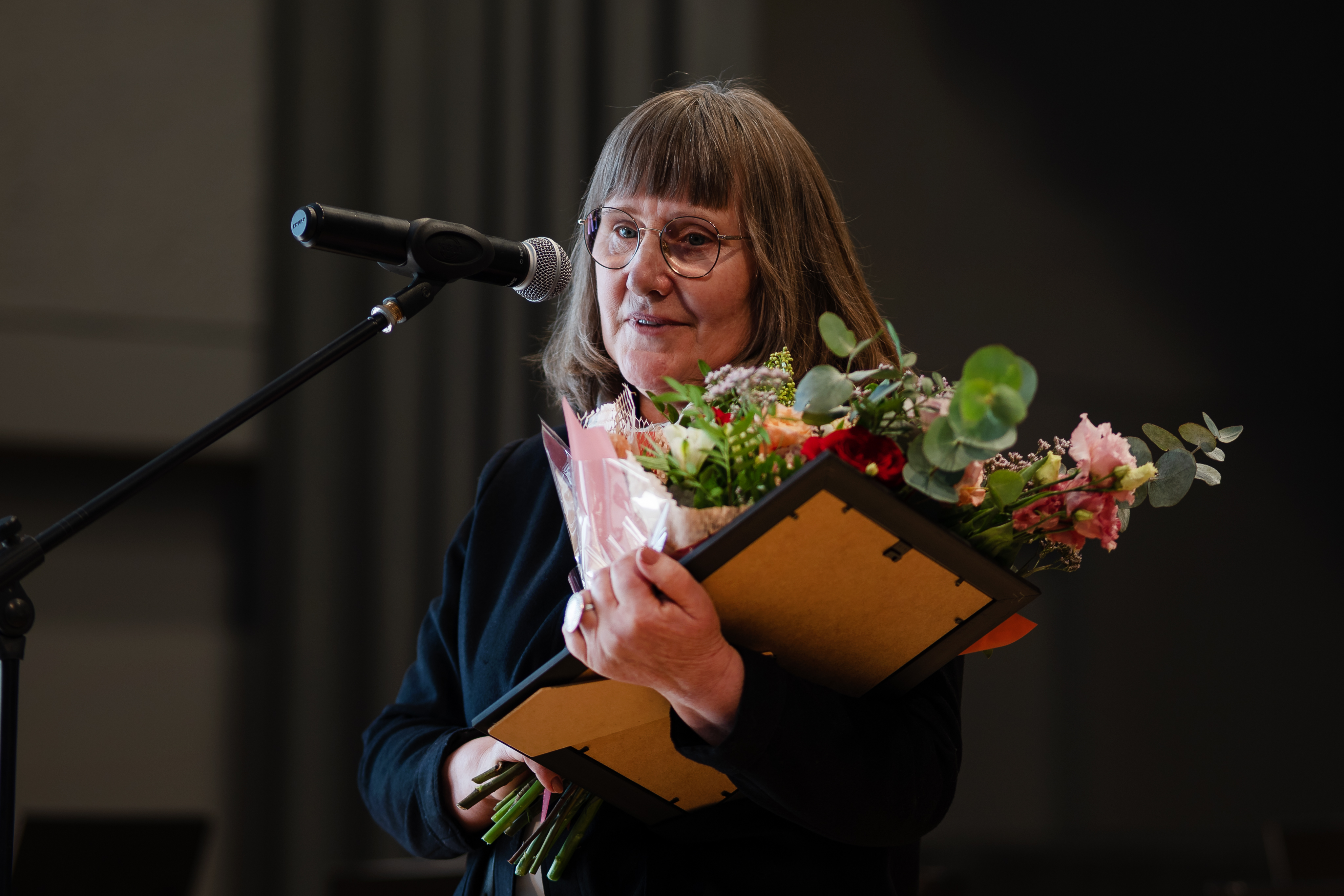
After the presentation of the vision of the P. Bugailiškis Ethnology Center, the Peliksas Bugailiškis Prize of the Šiauliai “Aušra” Museum was also awarded for significant activities in the fields of museology, regional studies, and the preservation of cultural heritage. In 2026, the prize was awarded to Daiva Skrupskelytė, head of the Pakruojis Regional Museum “Žiemgala” – an active museologist and community leader whose work significantly contributes to preserving the history, traditions, and cultural memory of the region. Over more than a decade of active work, the museum has become an important center of cultural and social life in Žeimelis, and D. Skrupskelytė stands out for her ability to unite the community, initiate cultural projects, and present regional history in a contemporary context.
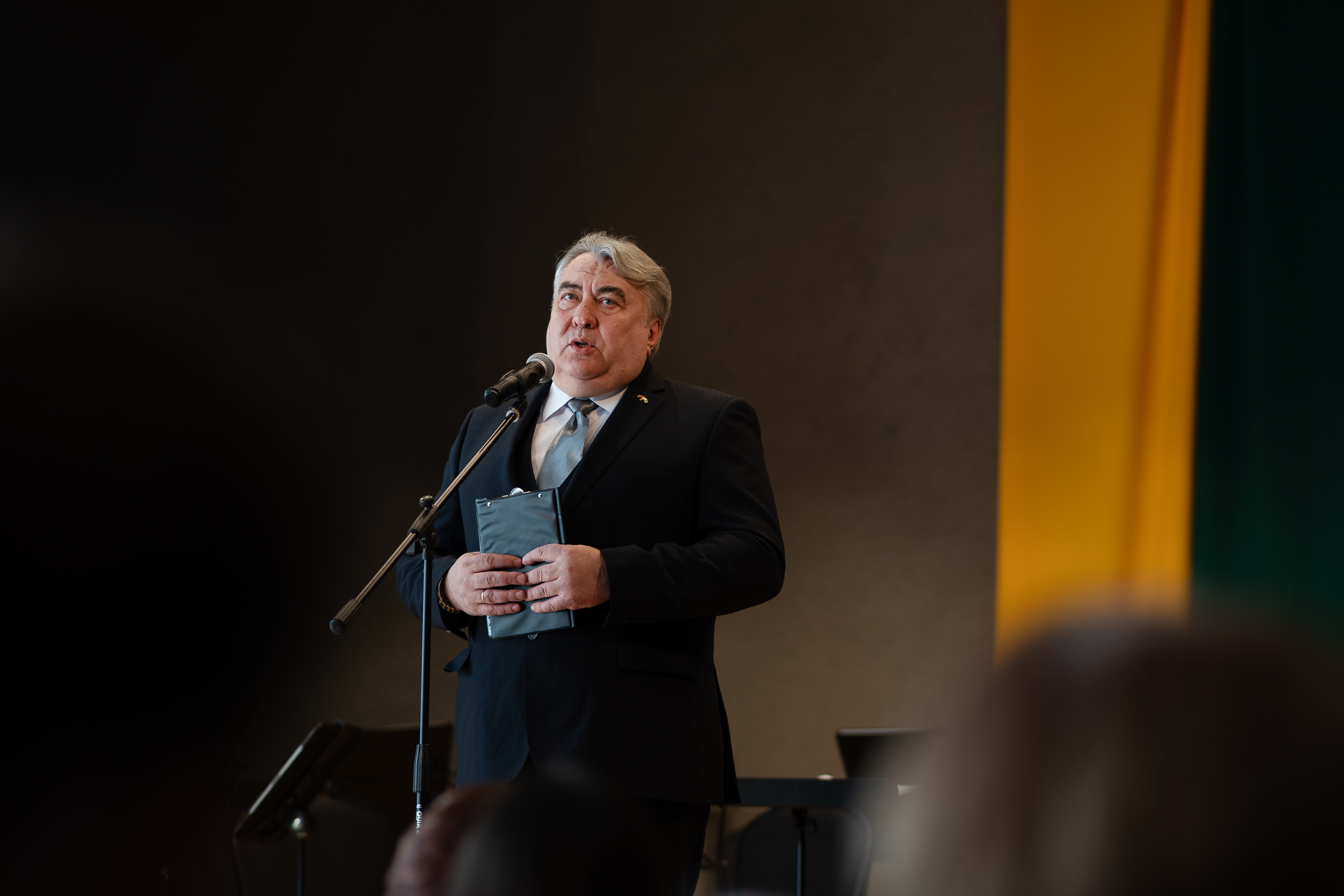
“We always want to draw attention to people who are like beacons – their presence in a particular place changes circumstances, initiatives emerge, and people come together. Daiva Skrupskelytė decided to move to Žeimelis and lead the ‘Žiemgala’ Museum. Her presence there produced incredible results – the museum revived and shone in many colors: exhibitions are organized, educational activities take place, and a community has been brought together,” said Raimundas Balza, Director of the Šiauliai “Aušra” Museum, congratulating the laureate of the Peliksas Bugailiškis Prize.
“When they called me and told me that the prize had been awarded to me, I could hardly believe it. I did not come to Žeimelis – I returned. It is my native region. It is not difficult for me to work there because I truly love this place, and together with the community we can accomplish many meaningful things,” said the laureate.
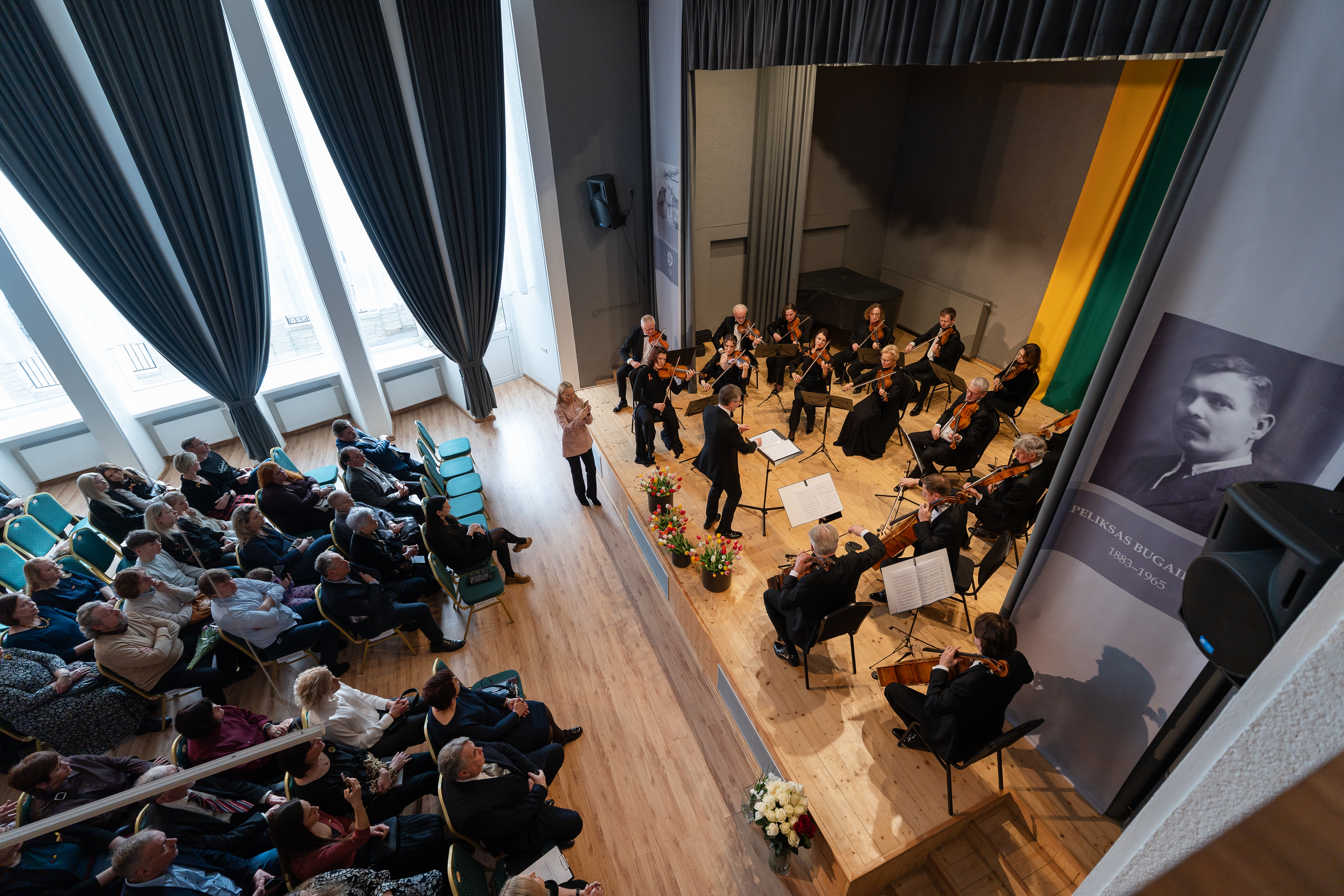
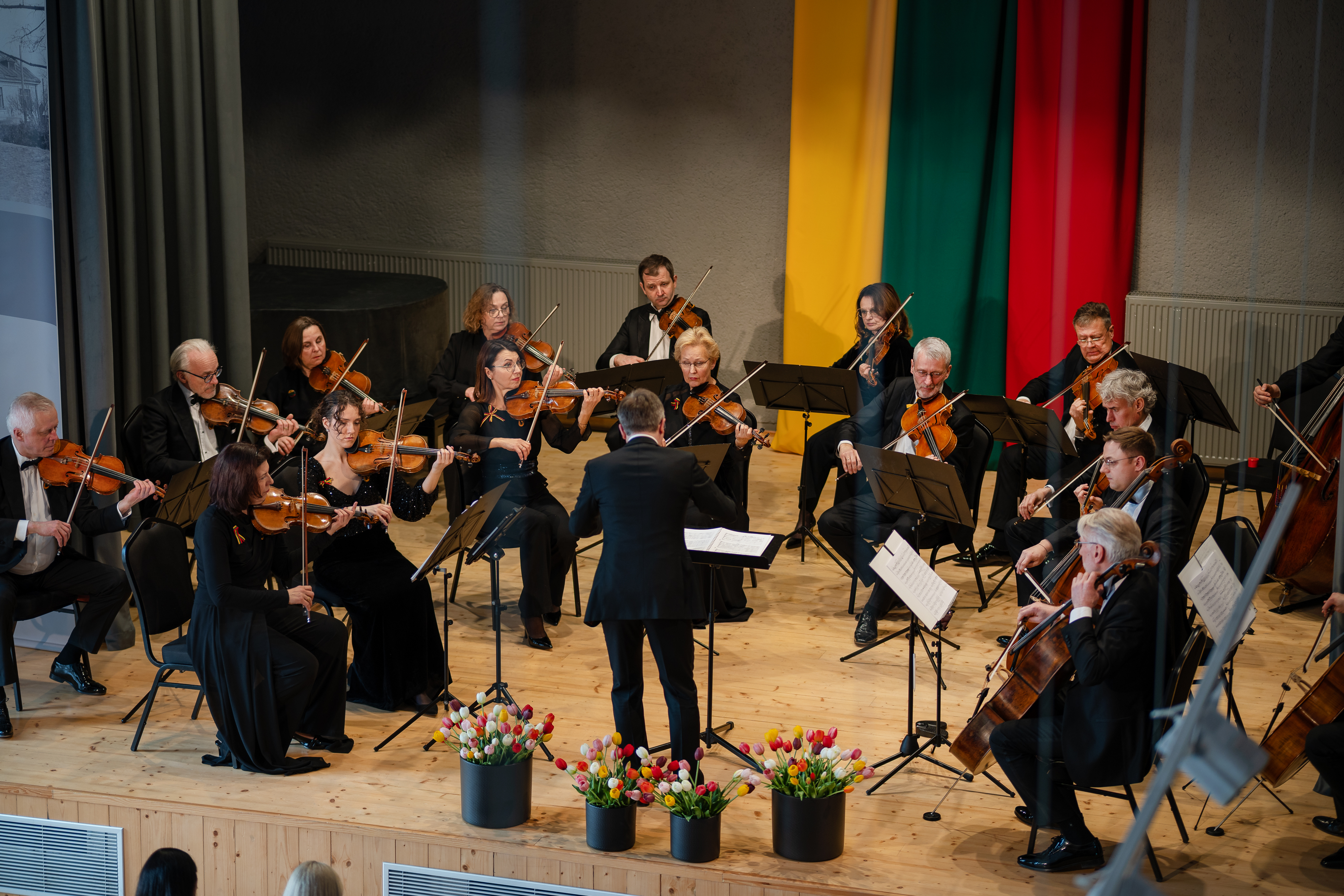
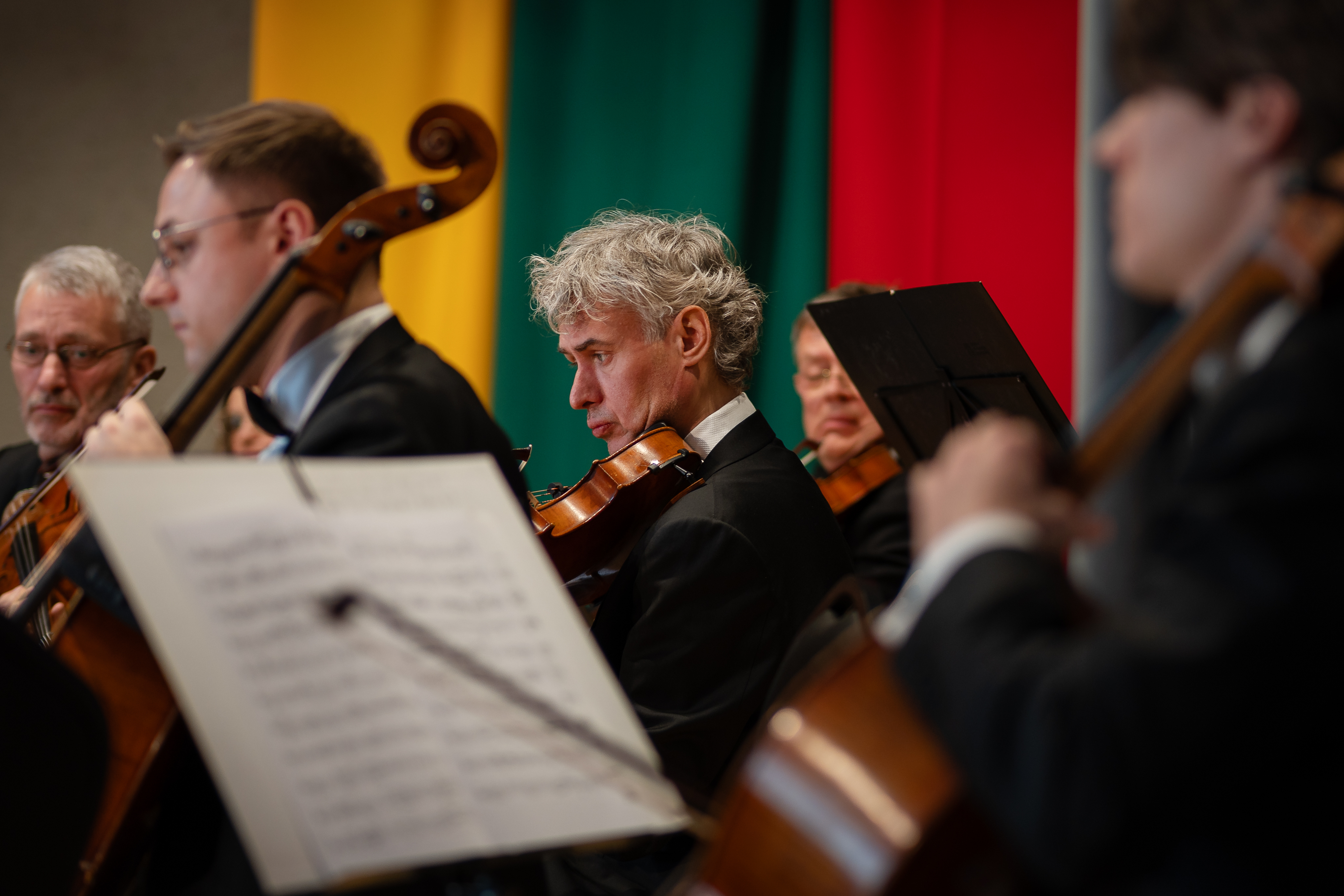
The ceremonial part of the event culminated with the festive concert “When Freedom Speaks,” performed by the Lithuanian Chamber Orchestra conducted by Modestas Barkauskas, with the musical program presented by the concert host Jomantė Šležaitė-Paukštė. After the concert, guests were invited to visit the house of P. Bugailiškis, where the spaces presenting the life and activities of this remarkable personality were opened more widely to visitors for the first time. Walking through the historic rooms, visitors could not only explore the exhibition but also feel the authentic environment where P. Bugailiškis once lived. After March 11, the house of P. Bugailiškis will be open to all visitors – this space will become another living point of cultural memory and will meaningfully contribute to the cultural life of Šiauliai during its jubilee year.
More photos can be found on the Šiauliai Cultural Center Facebook page:
https://www.facebook.com/media/set/?vanity=siauliukulturoscentras&set=a.1406609991509828
Photo by Darius Ančerevičius.
Information provided by Deimantė Bačiulė, Director of the Šiauliai Cultural Center, tel. +370 671 42 889, e-mail deimante.baciule@siauliukc.lt.