Lithuanian Schoolchildren’s Folklore Dance Competition “Patrepsynė” Celebrates Its 20th Anniversary
Organizer – Šiauliai Cultural Center. Funded by the Lithuanian Council for Culture and the Šiauliai City Municipality. Admission is free.
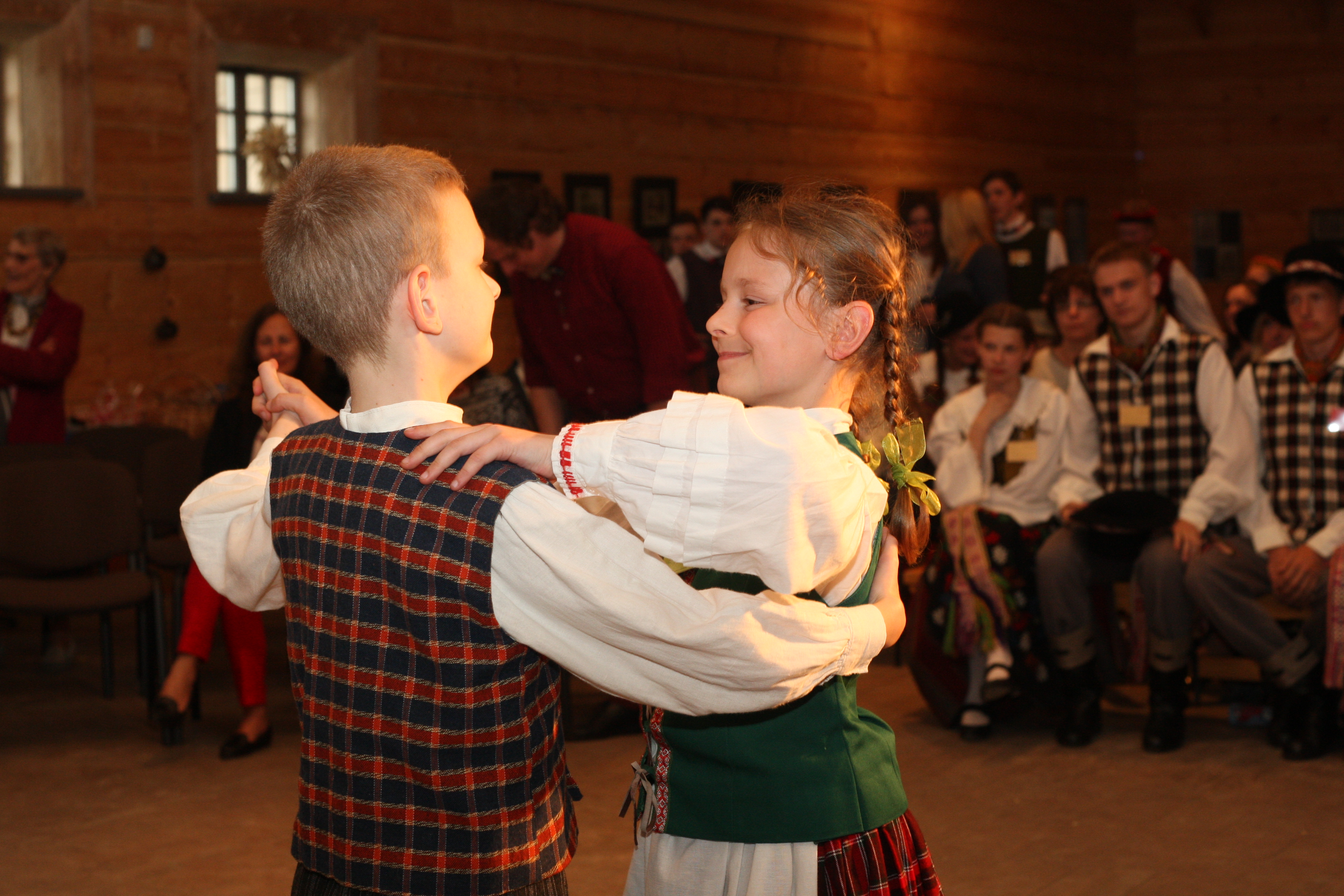
Born in Šiauliai two decades ago, “Patrepsynė” looks very different today than it did during its first edition in 2005, yet its essence has remained unchanged. The initiator of the competition, Ramutė Gaučaitė, explains that the idea originated in Latvia after becoming acquainted with a similar event, “Pulka eimu, pulka teku”, created by choreographer Ernest Spič. This format appeared meaningful and necessary for Lithuania as well. Together with colleague Diana Martinaitienė, the idea was brought to Šiauliai – the first “Patrepsynė” took place in university premises, small in scale but already accompanied by live music and guided by a clear vision: not merely a competition, but a living dance experience.
Over the years, “Patrepsynė” has steadily evolved: first as a city competition, then in its second year expanding to the entire region, later reaching the Telšiai and Panevėžys regions, and eventually becoming a national phenomenon. Venues grew larger, formats changed, and more structure, educational activities, and organizers became involved. “Patrepsynė” outgrew the university hall, with final rounds moving to the Šiauliai Arena and the Kurtuvėnai Regional Park before finally establishing itself as one of the most important folklore events for schoolchildren in Lithuania. Since 2020, the finals have taken place at the Šiauliai Cultural Center, where the meaningful tradition of togetherness continues to develop within its renovated spaces.
“Šiauliai is a city where living traditions are born and grow. ‘Patrepsynė’ is one of the most beautiful examples of this, which is why it is a great honour for us to continue what began here twenty years ago and nurture this tradition together with all of Lithuania,” says Deimantė Bačiulė, director of the Šiauliai Cultural Center.
The young dancers gathering in Šiauliai on May 9 will not only compete, but also create a living and vibrant celebration of tradition. This year’s final will feature 107 pairs from 20 Lithuanian municipalities: the districts of Akmenė, Alytus, Klaipėda, Kaišiadorys, Kaunas, Kelmė, Kėdainiai, Marijampolė, Panevėžys, Prienai, Radviliškis, Šilalė, Tauragė, Telšiai, and Varėna, as well as the cities of Kaunas, Klaipėda, Panevėžys, and Šiauliai, and the municipality of Neringa. Before the competition begins, the “Patrepsynė” flag will symbolically be raised for the first time near the Šiauliai Cultural Center – a sign announcing the beginning of the celebration and a shared moment of unity.
The beginners’ category will feature the largest number of participants this year – as many as 86 pairs performing the dances “Kukolinis”, “Šuldi ruldi”, “Polka dribsiukas”, and “Kiaulės – grikiūs”. In the advanced category, 14 pairs will energetically dance “Malūnėlis” with a waltz, “Vengierka” (Lazdijai region), “Skrodelis”, and “Padikatras”. In the experienced category, 8 pairs will demonstrate their professionalism performing the dances “Tigri tigri”, “Vengierka” (“Dūs tau, muotin”), “Minjonas”, and “Šiberis”. Children from different cities, schools, and backgrounds will meet on stage, united by rhythm, movement, and the joy of dance.
This year, the competition will begin and the final will open with all groups performing the mandatory non-competitive dance “Meilutė”. Live music will fill the hall – dancers will be accompanied by the instrumental group of the children’s and youth folklore ensemble “Čiučiuruks” of the Telšiai Cultural Center, led by Rita Videikaitė-Macijauskienė, and the instrumental group of the folklore ensemble “Vieversėlis” of the Šiauliai Dainai Music School, led by Arūnas Stankus.
The best dance pairs will be selected by folklore professionals from across Lithuania. This year’s jury includes Audronė Vakarinienė, choreographic folklore specialist at the Lithuanian National Cultural Centre and long-time consultant of “Patrepsynė” (chairwoman of the jury); ethnomusicologist and Doctor of Humanities Gvidas Vilys (vice-chairman); ethnomusicologist Lina Vilienė, head of the Ethnic Culture Department at the Panevėžys Local History Museum and leader of the folklore ensemble “Raskila”; Doctor of Social Sciences, choreographer, associate professor at the Vilnius University Šiauliai Academy and initiator of the competition Ramutė Gaučaitė; deputy director for ethnic culture activities at the Lithuanian National Cultural Centre and LRT radio programme author Vida Šatkauskienė; head of the Ethnic Culture Department at the Lithuanian National Cultural Centre Jūratė Šemetaitė; and Alvydas Vozgirdas, artistic director of the folklore ensembles “Kuršiukai” and “Kuršių ainiai” at the Klaipėda Ethnoculture Centre. The competition will evaluate dancers’ technique, musicality, expressiveness, naturalness, and individuality.
All finalists and their leaders will receive certificates of appreciation, while the best performers in individual dances will be awarded diplomas. Diploma winners competing for laureate titles in different categories will also receive valuable commemorative gifts reflecting the spirit of the competition.
Information provided by Aušra Brijūnienė, Head of the Amateur Arts Department at the Šiauliai Cultural Center, mobile: +370 655 25 527, email: ausra.brijuniene@siauliukc.lt.
Photos by Liubov Yarmoshenko, Rolandas Parafinavičius, Darius Ančerevičius, and the archive of the Šiauliai Cultural Center.
Atnaujinta: 2026-05-15 08:58